
Get the timing right and chillies are one of the most rewarding things you can grow. Get it wrong — seeds in cold soil, seedlings out before the last frost — and you’ll be staring at empty punnets wondering what happened. Knowing when to plant chilli seeds in Australia comes down to one thing: your climate zone. A grower in Darwin and a grower here in south-west WA are working to completely different calendars.
This is the guide I wish I’d had when I started. Below you’ll find the right sowing window for each of Australia’s five main climate zones, what the frost data actually says, and the timing trap that catches out most first-year chilli growers.
The short answer: In most of southern Australia, you sow chilli seeds indoors from late winter to early spring (August–October) and plant seedlings out once all frost risk has passed and nights are reliably warm. In the subtropics and tropics, the window is wider and starts earlier. Superhots need the earliest start of all.

First, find your climate zone
Australian gardeners generally work to five broad climate zones. Find yours below — the sowing dates in the rest of this guide hang off it.
| Zone | Where (examples) |
|---|---|
| Tropical | Darwin, Cairns, Townsville, Broome |
| Subtropical | Brisbane, Sunshine Coast, Gold Coast, Bundaberg, Rockhampton |
| Arid / semi-arid | Alice Springs, Mildura, Dubbo, Wagga Wagga |
| Warm temperate | Sydney, Perth, Adelaide, Bunbury, Newcastle |
| Cool temperate | Melbourne, Canberra, Hobart, Ballarat, Mount Gambier |
(Zone groupings based on The Seed Collection and Organic Gardener climate maps.)
If you’re in south-west WA like us, you’re warm temperate on the coast and a touch cooler and more frost-prone once you move inland — more on that below.
Why frost is the number one rule
Chillies are frost-tender. A single frost will knock a seedling flat, so every sowing calendar in the country is really built backwards from one date: your last frost. Plant seeds indoors too late and you miss the summer heat; put seedlings out too early and the frost gets them.
The Bureau of Meteorology doesn’t publish a neat “last frost date”, but its station records show how many frost-risk nights (screen temperature at or below 2°C, which means ground frost is likely) each area gets by month. Here’s what that looks like for the capitals and a few south-west WA towns:
| Location | Frost risk lingers until | Notes |
|---|---|---|
| Sydney, Brisbane, Darwin, Cairns | No frost on record | Coastal — effectively frost-free |
| Perth (metro) | September | Hills suburbs hold frost a little later |
| Adelaide | August | Hills later |
| Bunbury | October | Coastal south-west WA |
| Donnybrook (inland south-west WA) | October, odd night into November | Long-record inland station |
| Melbourne | August–October depending on suburb | Outer/northern suburbs later |
| Hobart | October | |
| Canberra | November (odd night into December) | Coldest capital — frost well into spring |
(Source: Bureau of Meteorology station climate statistics.)
The lesson for inland south-west growers: the coast at Bunbury is milder, but further inland, around towns like Donnybrook, the odd frost hangs on into October. I start seeds indoors in August and I don’t rush seedlings into the ground — warm soil beats an early calendar every time.
When to sow, zone by zone

Two jobs, two different timings: sowing seeds (indoors, in warmth) and planting out (seedlings into the garden). Chilli seeds want soil of around 22–30°C to germinate well, which almost always means starting them indoors or in a heated propagator. (See our full germination guide for how to hit those temperatures.)
Tropical (Darwin, Cairns, Townsville)
You’ve got the easiest run in the country. Chillies can be grown nearly year-round, and many plants will live for several seasons as perennials. The main thing to dodge is the wet: the Bureau puts the wet season roughly October to April, and the NT Government notes seedling-raising gets tricky in the humidity of January–February. Aim to establish plants before then — sowing from around March through to August works well.
- Sow: March–August (avoid raising tender seedlings in the Jan–Feb wet)
- Plant out: year-round in practice; set up for the dry season
- Tip: plant on raised mounds in the wet to keep roots from sitting in water
Subtropical (Brisbane, Sunshine Coast, Bundaberg)
A long, generous season with two bites at it. You can sow in late summer (January–March) for an autumn/winter crop in frost-free spots, and again from late winter (August) into summer.
- Sow: August–December, and again January–March
- Plant out: September onwards, once mornings warm up
Arid / semi-arid (Alice Springs, Mildura, Dubbo)
Hot days, but cold nights and sharp frosts in winter. Start seeds indoors in mid-winter so plants are ready to romp away as soon as the frosts finish.
- Sow: July–November (indoors, in warmth)
- Plant out: once frost has passed — around September in Alice Springs, later further south
Warm temperate (Perth, Sydney, Adelaide, Bunbury)
This is the big one for most Aussie growers, and it’s where we sit on the WA coast. Sow indoors from late winter and plant out through spring.
- Sow indoors: August–December (August–September gets superhots the head start they need)
- Plant out: late September through December, once nights are reliably warm
- Perth/Adelaide note: late September to early October is the sweet spot for planting out
By early October you’re in the thick of the planting-out window — and it’s not too late to sow quick, mild varieties from seed.
Cool temperate (Melbourne, Canberra, Hobart)
The shortest season, so timing matters most here. Sow indoors with bottom heat and don’t plant out until the frosts are genuinely done — which in Canberra can mean November.
- Sow indoors: late August–November (earlier, with a heat mat, for superhots)
- Plant out: October–December, after the last frost
- Tip: a warm, sheltered, north-facing spot or a pot against a brick wall makes a real difference
The trap: sowing late, then planting out too early
The most common mistake isn’t sowing too late — it’s planting out too early. A run of warm spring days tempts everyone, then a cold snap sets the plants back weeks (or finishes them). The rule of thumb growers use across the warmer sowing guides is to wait until night-time temperatures are reliably above about 15°C before seedlings go in the ground. That’s a guideline rather than a hard scientific line, but it’s a good one.
Chillies simply stall in the cold. Industry and research guides note growth slows below about 15°C and fruit struggles to set once nights climb above the low 30s. Warm, steady conditions are what you’re after — so err on the side of a week or two later, not earlier.
How long until you’re eating chillies?
From transplanting your seedling out to the first ripe pod is usually in the range of 10 to 20 weeks, depending on the variety — milder types like jalapeños and cayennes are at the quick end, and superhots like the Carolina Reaper are at the slow end. Sources vary (Green Harvest quotes around 10 weeks, Planting Season 12–20 weeks from transplant for the hot types), but as a planning rule: sow in late winter, plant out in spring, and you’ll be picking through summer and into autumn.
A quick word for south-west WA growers

If you’re local to us in the south-west — Bunbury, Busselton, Donnybrook and the valleys inland — you’ve got a warm temperate coast and cooler, frostier pockets inland. Start seeds indoors in August, keep them warm, and hold your nerve on planting out until the frosts have genuinely finished (often October around here) and the soil has warmed. Our long, dry summers are made for chillies once they’re established.
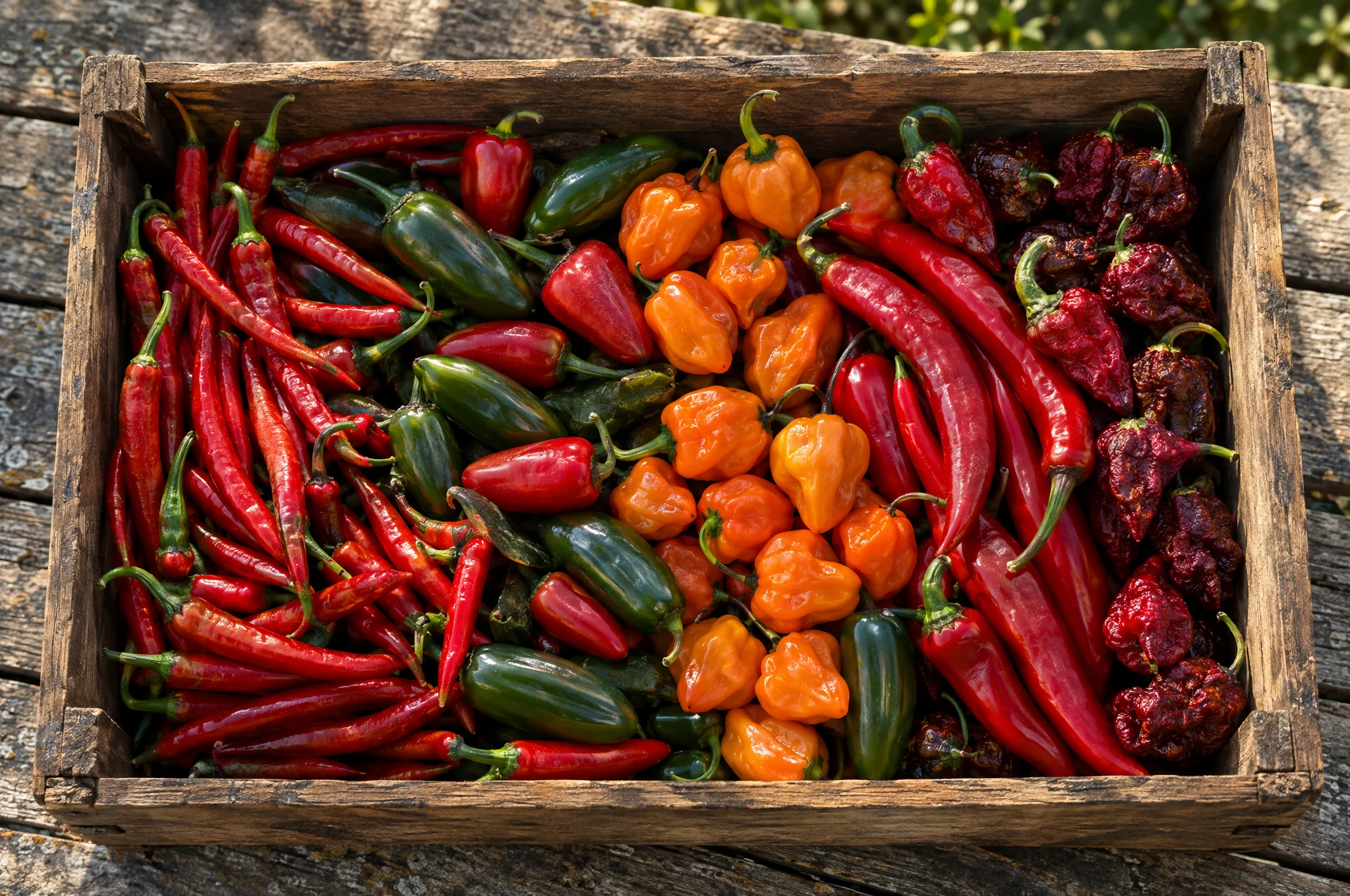
Ready to get sowing?
Timing is half the battle; good seed is the other half. Browse our full range of chilli seeds, or if you’re just starting out, the beginner-friendly varieties are the most forgiving to time (here are the best chillies for beginners). Once your seeds arrive, our germination guide will walk you through getting them up and away.
Grab your seeds, find your zone, and get them started. Future-you, standing in a summer garden full of ripe chillies, will thank you.
Frequently Asked Questions
What month should I plant chilli seeds in Australia?
In most of southern Australia, sow chilli seeds indoors from August to October and plant seedlings out in spring once frost has passed. Subtropical and tropical growers can start earlier and have a wider window. Superhots need the earliest start — August or sooner — because they’re slow to grow.
Is it too late to plant chilli seeds in spring?
In warm temperate and subtropical areas, early to mid spring is still fine to sow quick, mild varieties from seed. By late spring you’re better off buying seedlings to get a head start. Superhots sown late in spring may not ripen before the season cools, so start those as early as you can.
Can you grow chillies all year round in Australia?
Only in the tropics and frost-free subtropics, where chillies grow year-round and often live for several seasons as perennials. In temperate and cool zones, chillies are grown as a warm-season crop from spring to autumn, and frost will kill unprotected plants over winter.
What temperature do chilli seeds need to germinate?
Chilli seeds germinate best in soil around 22–30°C, which is why they’re almost always started indoors or in a heated propagator in Australia. Below about 15°C most seeds won’t germinate at all, and superhots need the warm end of that range to get going.
When should I plant chillies in Perth?
In Perth, sow chilli seeds indoors from August and plant seedlings out from late September to early October, once the last frost risk has passed. The metro area is nearly frost-free, but hills suburbs and inland south-west WA can hold frost into October, so warm soil matters more than the calendar.
How long do chilli seeds take to grow into a plant you can harvest?
Allow roughly 10 to 20 weeks from planting a seedling out to picking your first ripe chilli, depending on the variety. Mild types like jalapeño and cayenne are quickest; superhots like the Carolina Reaper are the slowest. Sow in late winter and you’ll typically harvest from mid-summer into autumn.